Neurotherapy Clinics Australia provides highly comprehensive, state-of-the-art QEEG Brain Mapping to identify brain activity that is overactive or underactive, and regions of the brain that are not communicating effectively.
A QEEG Brain Scan is the initial step in the neurotherapy process, as it is used to design an individually-tailored brain training program which is best suited to your needs and goals.
For more information, send us an enquiry via the contact page.
A Quantitative EEG is a safe, non-invasive tool for measuring the brain’s electrical activity (brainwaves).
During a QEEG, clients wear a fitted EEG cap with 20 electrodes over the scalp. A small amount of saline gel is inserted in each electrode in order to detect an electrical signal. Once a perfect signal is established, advanced computer software will begin a brief EEG recording of the activity while the client sits still and comfortable in a chair facing a computer screen.
After gathering the EEG recording, data is processed through digitised filters and broken down into different brainwaves. A client’s QEEG is then compared with a normative database which compares their brain activity with others of their own age and gender.
QEEGs provide insight into how the brain is functioning. Not only can we detect brainwaves, we can also understand how dysregulated brain activity could contribute to problematic symptoms and behaviours.
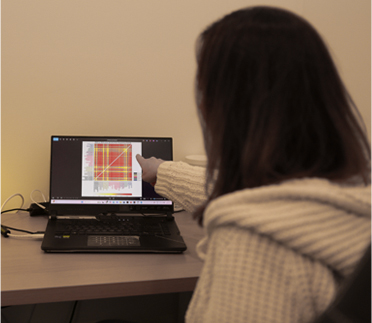
Following an initial QEEG assessment, client’s will return to the clinic approximately one week later to view their Quantitative EEG Report and discuss treatment options based on their results.
The report typically entails several hours of work. Data is analyzed, processed through multiple software programs and imaging applications and typed into a system generated report for clients to take home. If you require a detailed written report this can be done for an additional fee.
A QEEG is the roadmap for treatment protocols and all neurotherapy training that follows.

Over the past 3 weeks, I am noticing I am becoming more actionally positive. Getting up at 8am, making better food choices and managing pain better…


As a parent of two daughters with complex needs, finding therapies that genuinely make a difference can be incredibly challenging. During that short time, we began to see truly meaningful changes…


I’ve been seeing Lara the past few months for adult ADHD & addiction. My family have noticed a huge difference in me and how happy I am now…


My son has been having appointments with Lara at Alpine Neurofeedback for the past 18 months and this therapy has changed our life as a family…


Lara’s treatment has had a positive impact on my son treating his Anxiety as we investigated other...


My Parkinson’s Disease Treatment Experience with Lara Schulz. I started treatment with Lara on Saturday, 9th January 2021...


When we found Lara & Alpine Neurofeedback, we had exhausted all other avenues. The school kept pushing...


Lara was amazing at what she does with the Neurofield Neurofeedback. I walked away feeling very focused...


The work Lara has done with my 17yr old son has changed the landscape of his life for the better in so many ways...

QEEG Brain Mapping is a safe, non-invasive assessment that measures the brain’s electrical activity, also known as brainwaves. At NCAU, it is used as the first step in the Neurotherapy process to better understand how the brain is functioning.
During a Brain Mapping assessment, the client wears a fitted EEG cap with electrodes placed over the scalp. Brain activity is then recorded and analysed to identify areas of the brain that may be overactive, underactive, or not communicating effectively.
Brain Mapping helps NCAU understand each client’s unique pattern of brain activity before starting treatment. This allows the team to design a more individualised Neurotherapy program based on the client’s needs, symptoms, and goals.
Yes. QEEG Brain Mapping is a non-invasive way of measuring brain activity and does not involve surgery or invasive procedures. It is designed to provide detailed information about brain function in a safe and comfortable setting.
After the initial assessment, clients usually return to the clinic about one week later to review their QEEG report and discuss the most suitable Neurotherapy treatment options based on the results.
A QEEG Brain Map acts as a roadmap for treatment protocols and the Neurotherapy training that follows. It helps guide a more targeted approach so treatment can be tailored to the way each individual brain is functioning.